
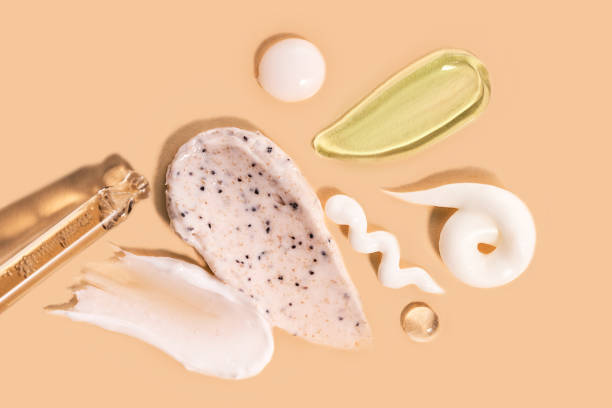
Start with a simple, creamy scrub with very fine, round beads (not jagged ones) or a soft washcloth used with your normal cleanser. Even better, try a gentle chemical option like a lactic acid toner. These work by gently dissolving the “glue” holding dead cells together, which feels like nothing is happening but is super effective. Look for products labeled “gentle,“ “daily,“ or “for sensitive skin.“ Avoid anything with large, rough particles like crushed shells, which can create tiny tears in your skin.
Look for simple, soothing superheroes! Great ingredients are niacinamide, centella asiatica (sometimes called “cica”), green tea, and licorice root extract. Also, always choose a gentle, fragrance-free moisturizer. These ingredients help to cool and comfort your skin, strengthening its natural barrier. This helps your skin stay calm when faced with everyday irritants, making redness less likely to appear.
Pay attention to where you break out. If new pimples pop up exactly where you apply foundation, blush, or primer, that product might be the culprit. Try a simple test: stop using one product for a week or two and see if your skin improves. Often, heavy liquid foundations or creamy products are the issue. Switching to a mineral powder or a lighter tinted moisturizer can sometimes make all the difference.
Look for labels that say “Broad Spectrum,“ “SPF 30 or higher,“ and “Water Resistant (40 or 80 minutes).“ A lotion or gel is often better than a spray for sweaty activities, as it’s easier to see where you’ve applied it. Sprays can blow away in the wind and are easy to miss spots. A water-resistant formula is designed to cling to damp skin a bit longer, but remember, it’s not “sweat-proof.“ You still must reapply it regularly.